Milan Layover Near Centrale Station
Part of the full Milan Layover Guide: What to Do Before a Late Flight Out of Malpensa
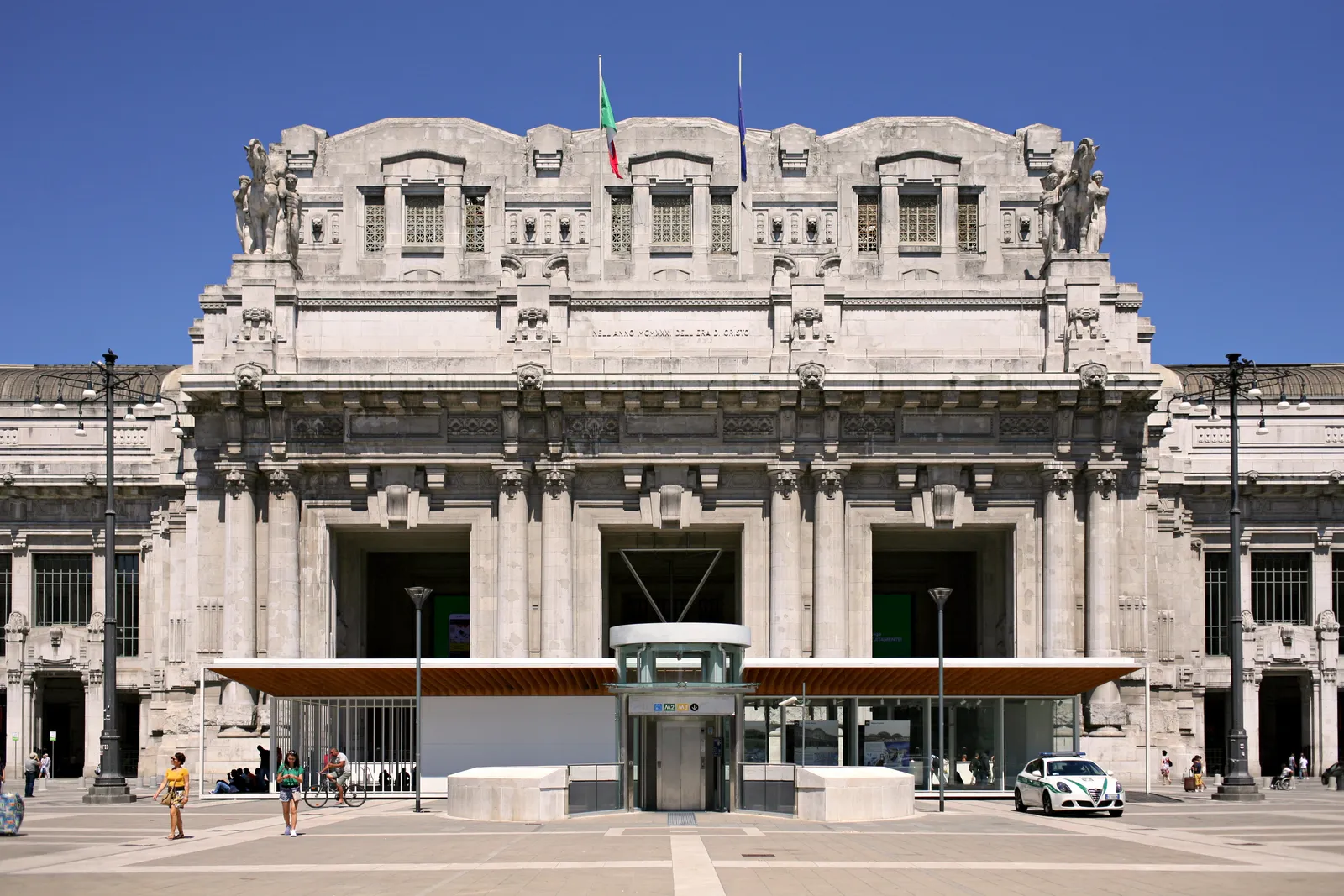
If you’ve got 3-5 hours at Milano Centrale before a late flight out of Malpensa, store your bag at the station and walk Via Vitruvio straight into Corso Buenos Aires, then head back to catch the Malpensa Express with time to spare.
Can’t-miss
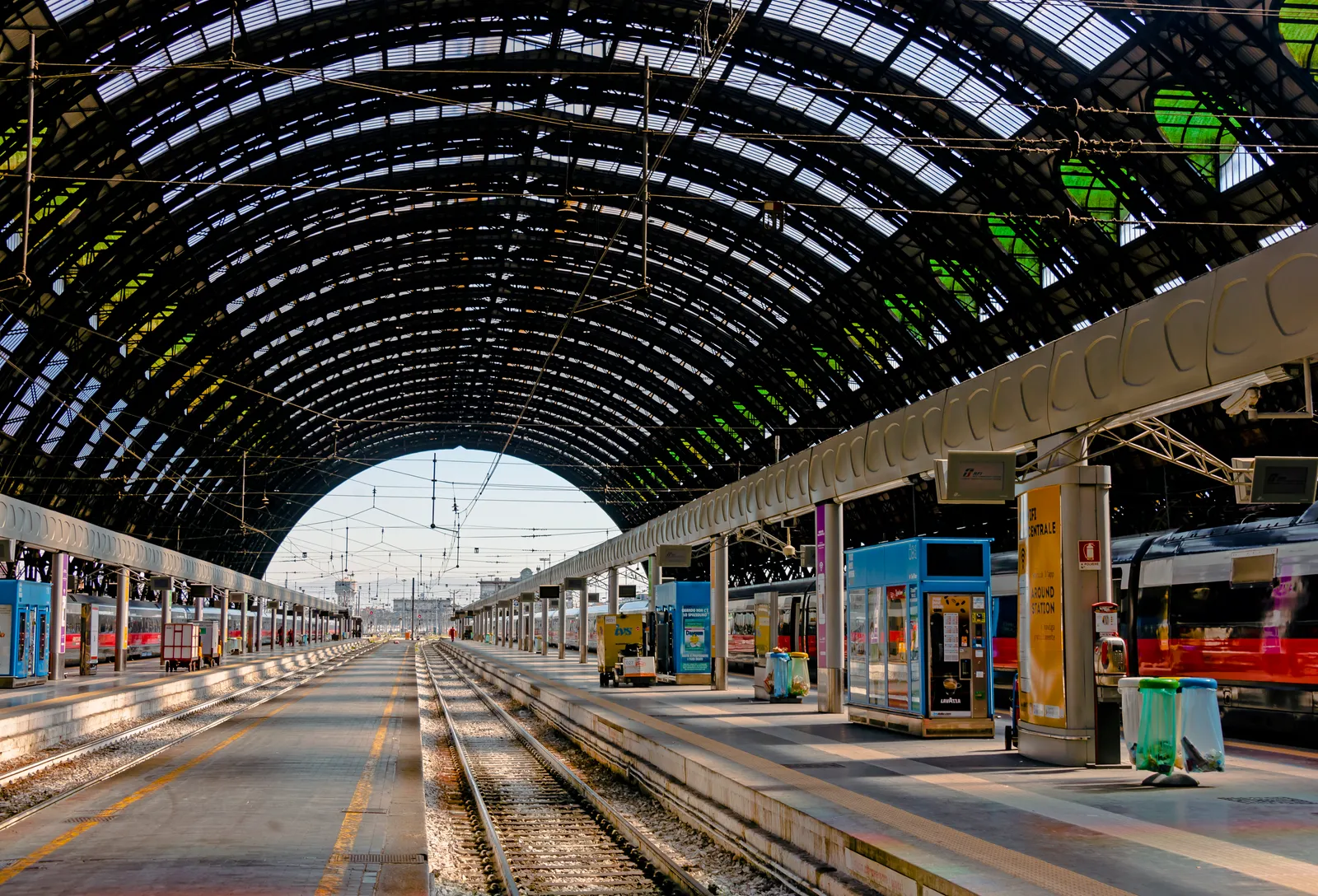
Before you leave the station, look up: Milano Centrale’s facade and platform roof are a destination in their own right, built in the 1930s with a scale of stonework and ironwork that most travelers rushing to a platform never actually stop to notice.
The vaulted trainshed roof over the tracks is worth a second look too, especially from a platform near the concourse where you can see the full arch of glass and iron overhead.
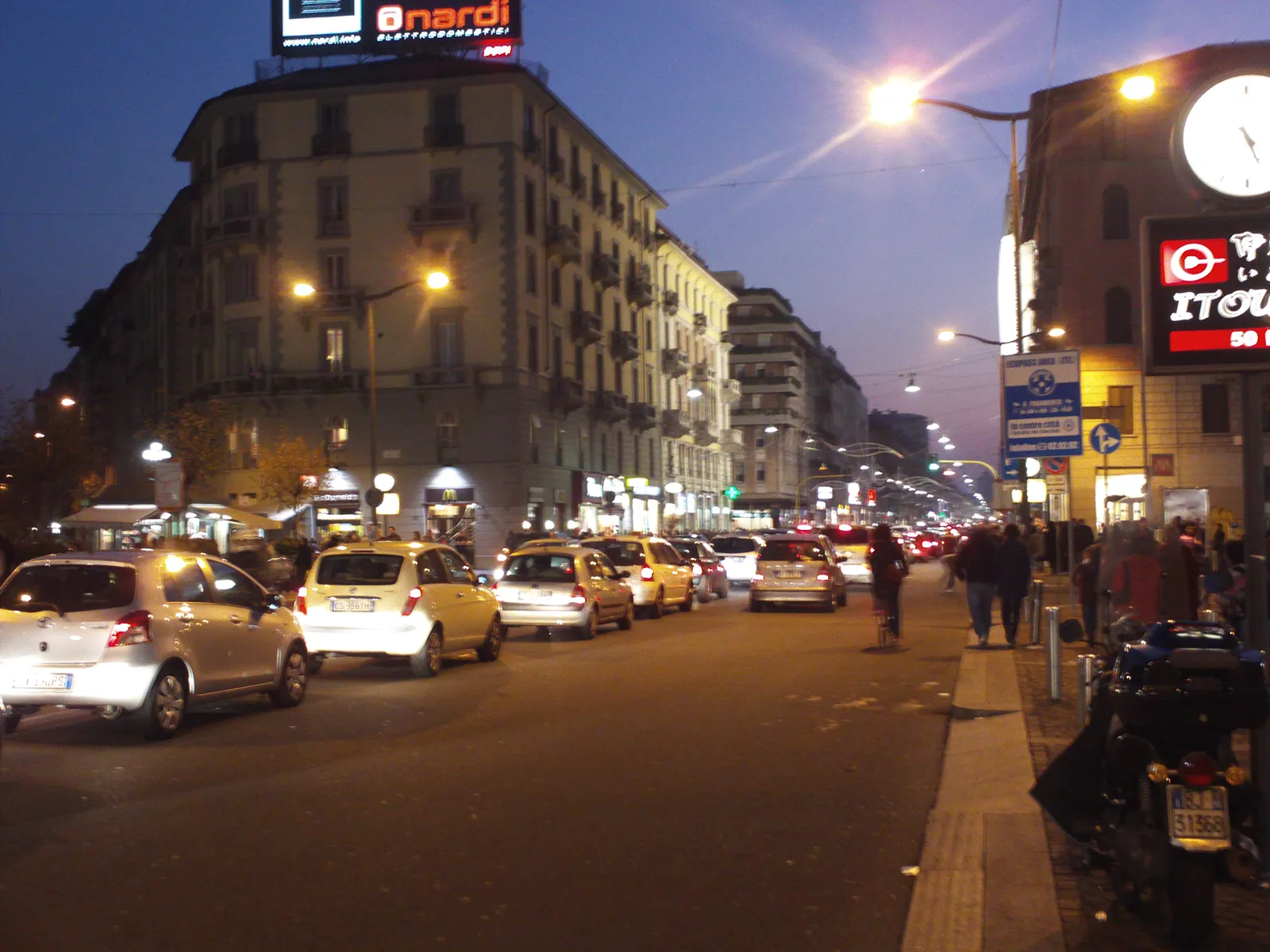
Once you’re ready to move, exit toward Via Vitruvio and follow it for about 10-15 minutes until it feeds into Corso Buenos Aires, one of the highest-density shopping streets in Europe, with well over 300 storefronts stretched between here and Porta Venezia.
Why you shouldn’t drag a suitcase into Corso Buenos Aires
Corso Buenos Aires gets crowded with shoppers most afternoons, and its sidewalks, while wide by Milan standards, aren’t built for weaving a rolling bag between browsing pedestrians and shop entrances. Add in the walk to and from the station, and a suitcase turns a relaxed stroll into a chore.
If you have more time
With closer to 5 hours, keep walking Corso Buenos Aires toward Piazzale Loreto at its far end, then loop back on foot or hop the M1 metro line, which runs the length of the street and drops you back near the station in a few stops.
Travelers who’d rather sit than shop can detour a couple of blocks toward the Giardini Pubblici Indro Montanelli, Milan’s oldest public park, for a quieter stretch of green before heading back to Centrale.
Getting back to Malpensa
The Malpensa Express departs directly from Milano Centrale, taking roughly 50 minutes to reach the airport. Collect your bag with enough buffer to navigate back through the station’s platforms, since Centrale is large enough that finding the right track can take a few extra minutes.
A shopping street, minus the shopping bag baggage
Corso Buenos Aires rewards a slow walk past its storefronts, but only if you’re not also managing a suitcase from the moment you step off the train. Store it at the station, and the stretch between Centrale and Buenos Aires becomes an easy use of a layover instead of a hassle before your flight.
Frequently asked questions
Is there luggage storage right at Milano Centrale, or do I need to go elsewhere?
Yes, several storage points operate in and around the station itself, so you can drop your bag within a few minutes of stepping off the platform rather than crossing the city first.
How far is Corso Buenos Aires from the station, really?
About a 10-15 minute walk via Via Vitruvio, which runs almost directly from the station's side exit into the shopping street; there's no need for a taxi or tram unless you're short on time.
Do I need to go back through the main station hall to catch the Malpensa Express?
Yes, the Malpensa Express platforms are inside Milano Centrale itself, so you'll retrace your steps to the station rather than transferring anywhere else in the city.
Is this itinerary worth it if I only have 2 hours?
It's tight but workable: walk directly to Corso Buenos Aires, cover a few blocks near the Via Vitruvio end, and turn back with buffer for the station; save the full stretch toward Piazzale Loreto for a longer window.
Is Centrale itself worth lingering in before heading out?
The station's main hall and platform roof are worth a few minutes on their own: it opened in 1931 with a scale and Art Deco detailing that's unusual for a working train station, so it's not purely a transit stop.